Find Randolph top Stamped Concrete Rental for Quality Stamped Concrete Work
Find Randolph top Stamped Concrete Rental for Quality Stamped Concrete Work
Blog Article
Experienced Stamped Concrete Rental Services for Remarkable Garden Spaces
Professional decorative concrete rental solutions present a practical alternative for residents and builders looking to enhance outdoor areas. These services grant access to specialized equipment and machinery, ensuring high-quality outcomes without the responsibility of ownership. The ability to develop detailed designs and resilient coatings is attractive. However, understanding the nuances of groundwork and maintenance is essential. Which factors should be considered before commencing a stamped concrete project?
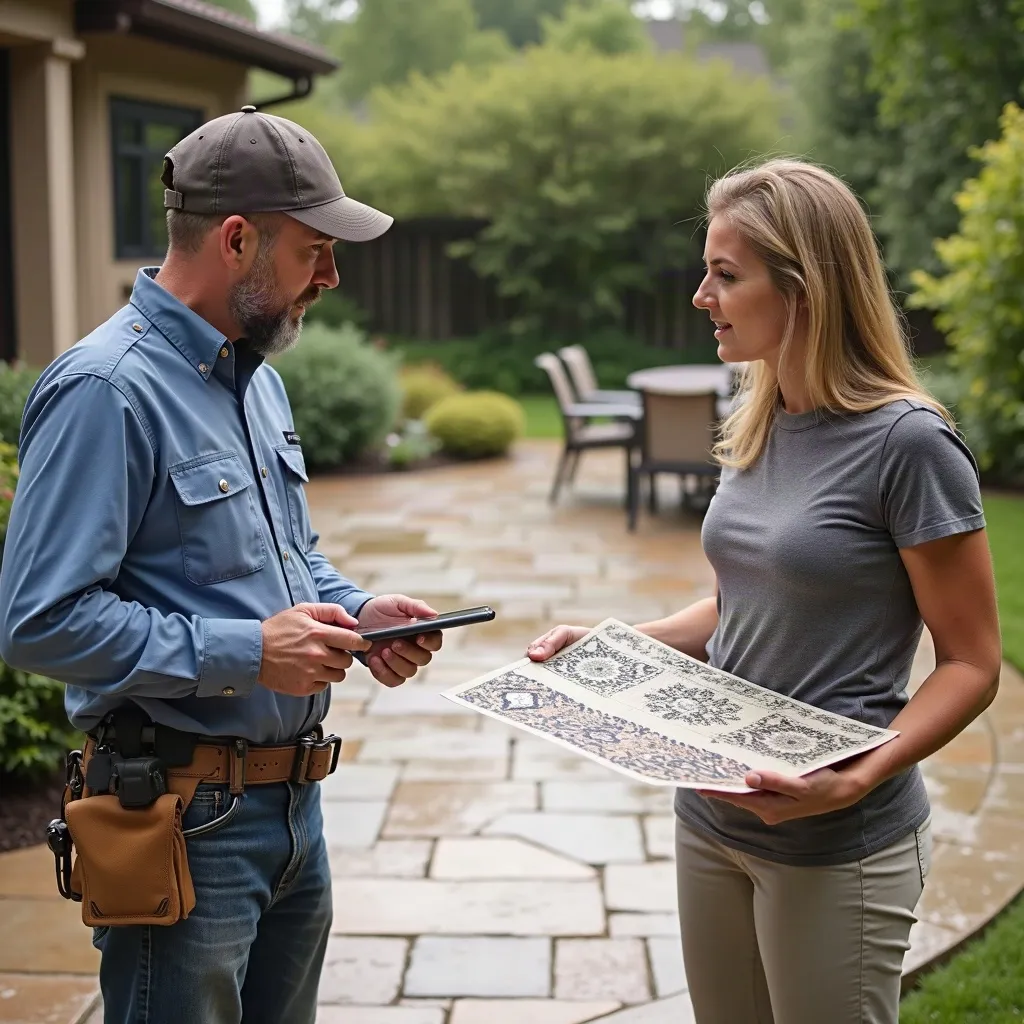
Why Pick Stamped Concrete for Your Exterior Patio
When thinking about enhancements for exterior areas, many homeowners discover that stamped concrete offers a compelling combination of aesthetics and functionality. This versatile option enables for a range of designs, replicating natural materials such as stone, brick, or tile, while providing a durable surface. Stamped concrete is impervious to weathering, making it ideal for various climates, and its low maintenance requirements are attractive to busy homeowners.
Additionally, stamped concrete can enhance property value, as it creates attractive pathways, patios, and pool decks that attract prospective buyers. Its ability to blend seamlessly with landscaping further elevates outdoor spaces. The installation process is also relatively quick compared to other materials, reducing disruption to the home environment. Homeowners value that decorative concrete can be tailored to suit individual tastes, providing a unique touch to their outdoor aesthetics. Overall, decorative concrete stands out as a practical and stylish choice for enhancing outdoor living areas.
What Equipment Is Needed for Stamped Concrete?
When working with stamped concrete, having the correct tools is crucial for achieving quality results. Essential tools include concrete mixers, stamps, and finishing trowels, while safety gear such as gloves and masks guarantees protection during the process. Being aware of these requirements can considerably improve both the efficiency and safety of the project.
Vital Stamped Concrete Implements
A selection of essential tools are required for successfully completing work with stamped concrete, confirming precision and quality in the final product. Key tools feature a concrete mixer for even material blending, trowels for smoothing and shaping, and stamp molds that create desired patterns. A concrete float supports in leveling the surface, while edging tools help define clean lines around the project. For texturing, custom stamps and rollers enhance the design, and a groover is essential for creating joints that control cracking. Finally, a curing compound sprayer provides proper hydration. Utilizing these tools effectively not only enhances the appearance but also contributes to the durability of the stamped concrete installation.
Required Safety Equipment
Using proper safety gear is necessary for those handling stamped concrete to reduce dangers and create a safe workplace. Employees should begin with protective goggles to shield their eyes from dust and debris. It is critical to wear durable gloves for hand protection against sharp tools and abrasive surfaces. Wearing steel-reinforced boots is recommended to protect the feet from injury caused by heavy materials. In addition, a protective helmet helps prevent head injuries from falling objects. Choosing masks or respirators is crucial when exposed to concrete dust or chemicals to avoid respiratory issues. Knee pads also provide necessary comfort and protection while kneeling during stamping. Compliance with these safety gear protocols ensures a safer working space for all parties involved.
How to Prepare Your Site for Stamped Concrete Application
Setting up the location for stamped concrete placement is vital for creating a robust and aesthetically attractive surface. The initial step entails clearing the area of any debris, vegetation, or existing concrete. This assures a clean slate for the new installation. Next, the ground must be excavated to the suitable depth, typically 4 to 6 inches, depending on the project requirements. Proper slope is critical to allow adequate water dispersal, preventing future water accumulation or cracking.
After the site is prepared, a sturdy sub-base composed of gravel or crushed stone must be laid to boost stability. Setting up forms to outline the desired shape is also important, as they guide the concrete pour and preserve the structure. Lastly, the site should be compacted to get rid of air pockets, ensuring a solid foundation. Adhering to these steps will greatly contribute to the longevity and aesthetics of the stamped concrete surface.
Top Patterned Concrete Ideas and Textures for Your Patio Area
Stamped concrete delivers a variety of beautiful designs and finishes that can convert any outdoor space into a aesthetically striking area. Popular options feature designs that mimic natural materials, such as slate, brick, and flagstone, allowing homeowners to achieve an sophisticated look without the expense.
Color options range from natural shades to bright colors, allowing customization to enhance current landscaping or architectural styles. Textured surfaces can add dimension and character, enhancing the overall aesthetic of patios, walkways, and driveways.
For a contemporary touch, angular designs and vibrant hues are growing in popularity, while traditional designs remain enduring options. Additionally, ornamental edging can define spaces and generate visual interest. Each design choice not only elevates the beauty of outdoor areas but also increases value to the property, rendering stamped concrete a flexible and attractive choice for property owners looking to enhance their exterior recreational areas.
Regular Cleaning Methods
To keep stamped concrete surfaces clean, a deliberate approach is required to secure their longevity and visual charm. Routine maintenance starts with sweeping or using a blower to remove dirt and debris. For a deeper clean, apply a mixture of mild detergent and water with a soft-bristle brush. Avoid harsh chemicals, as they might harm the surface. Thorough rinsing is crucial to avoid residue buildup. In addition, promptly addressing stains is important; a diluted vinegar solution can effectively remove organic stains. For grease or oil stains, a specialized cleaner might be needed. Consistently applying these methods will ultimately help maintain the beauty of stamped concrete and extend its lifespan. Regular care ensures the surface remains welcoming and visually appealing.
Seal for Longevity
Routine maintenance creates the basis for the longevity of stamped concrete, but coating plays a pivotal role in protecting and improving its appearance. Coating forms a protective layer against water damage, marks, and UV damage, which can lead to fading and deterioration over time. Specialists recommend using a premium acrylic or polyurethane sealer to guarantee optimal protection. Treatment should occur every one to three years, depending on climate factors and foot traffic. Furthermore, thorough prep work is crucial; any dirt or moisture can hinder bonding. When applying the coating, a consistent, even coat should be used to prevent pooling or streaking. In summary, frequent coating not only preserves the bright colors of stamped concrete but also increases its durability considerably.
Mending Surface Deterioration
Addressing surface damage expeditiously maintains the extended service life of stamped concrete. Regular inspections can help identify issues such as cracks, chips, or discoloration. When damage occurs, quick intervention is essential. For hairline fractures, a concrete patching compound can capably eliminate openings, providing a smooth surface. Once the repair is accomplished, applying a fresh coat of sealant not only upgrades presentation but also preserves the repaired area from future damage.
Moreover, steering clear of strong chemical solutions during routine cleaning can prevent further wear and tear. Routine maintenance, including resealing every few years, will strengthen the durability of the surface. By emphasizing these maintenance approaches, property owners can maintain the visual charm and structural integrity of their stamped concrete, ensuring it remains a striking feature of their outdoor spaces.
Advantages of Hiring Stamped Concrete Equipment
Why should contractors consider renting stamped concrete equipment? Renting suggests several advantages, chiefly for those hoping to beautify outdoor spaces without the long-term commitment of ownership. First, it facilitates contractors to tap into excellent, targeted tools that may not be financially viable to purchase outright. This prospect guarantees that projects can examine this material be completed with expert-quality results.
In addition, renting gear reduces upkeep duties and storage issues, allowing contractors to concentrate on job completion. It also offers flexibility; contractors can select the appropriate gear for each specific job, adapting to different project requirements and scales.
Additionally, leasing can produce savings opportunities, notably for short-term ventures, as it eliminates the requirement for large initial outlays. In summary, leveraging rental services for stamped concrete equipment empowers contractors to improve resource allocation while producing stunning results rapidly.
Planning Your Budget for Stamped Concrete Work
Developing a budget for a stamped concrete initiative involves careful consideration of sundry elements to guarantee successful execution. First, the amount of materials is essential, including concrete, stamps, and color additives. These aspects can greatly influence the overall budget. Additionally, compensation expenses must be included, most notably if bringing in experts for installation. Leasing implements may also be critical, which can range in expense depending on the tools required and rental duration.
One significant feature is property preparation, including proper drainage and grading, which can produce supplemental costs. Homeowners should equally commit resources for sealing and maintenance to enhance the lifespan of the decorative surface. To conclude, it's essential to include a safety net fund for unexpected expenses that could emerge during the work. When evaluating these components, homeowners can build a thorough budget that fits with their vision for a stunning outdoor space.
Frequently Raised Inquiries
What is the durability of patterned concrete against other options?
Stamped concrete typically lasts 25 to 30 years, outperforming materials like asphalt, which may last 15 years, and pavers, which can endure 20 years. Proper maintenance markedly boosts the longevity of stamped concrete installations.
Imprinted concrete installation in winter weather: is it achievable?
Stamped concrete is able to be installed in winter weather, but special precautions are critical. Cold temperatures may affect curing, so applying additives and protective coverings is wise to ensure adequate bonding and strength in frigid regions.
What Hues and Finishes Are Accessible for Stamped Concrete?
A wide range of colors and patterns are offered for stamped concrete, including earth tones, vibrant hues, and intricate patterns resembling stone, brick, or tile. Personalization features allow for distinctive designs adapted for individual preferences and aesthetics.
Can Stamped Concrete Get Slippery When Wet?
Stamped concrete may become slippery when wet, especially if it features a smooth finish. Nonetheless, patterned surfaces or additional treatments can increase traction, minimizing the risk of slipping in wet conditions and still preserving its visual charm.
How Can I Repair Cracks in Stamped Concrete?
To repair cracks or damages in stamped concrete, thoroughly clean the area, apply a concrete repair compound, even it out, and consider re-sealing the surface for protection. Regular maintenance can avoid future problems.
Report this page