What to Look for in a Randolph top Stamped Concrete Rental for Quality Concrete Solutions
What to Look for in a Randolph top Stamped Concrete Rental for Quality Concrete Solutions
Blog Article
Professional Stamped Concrete Rental Services for Gorgeous Outdoor Spaces
Experienced decorative concrete hiring solutions present a efficient alternative for homeowners and builders aiming to enhance exterior spaces. These offerings grant availability to specialized equipment and tools, ensuring excellent results minus the commitment of ownership. The ability to create detailed patterns and resilient finishes is attractive. However, understanding the nuances of preparation and maintenance is vital. Which factors must be assessed when commencing a concrete stamping job?
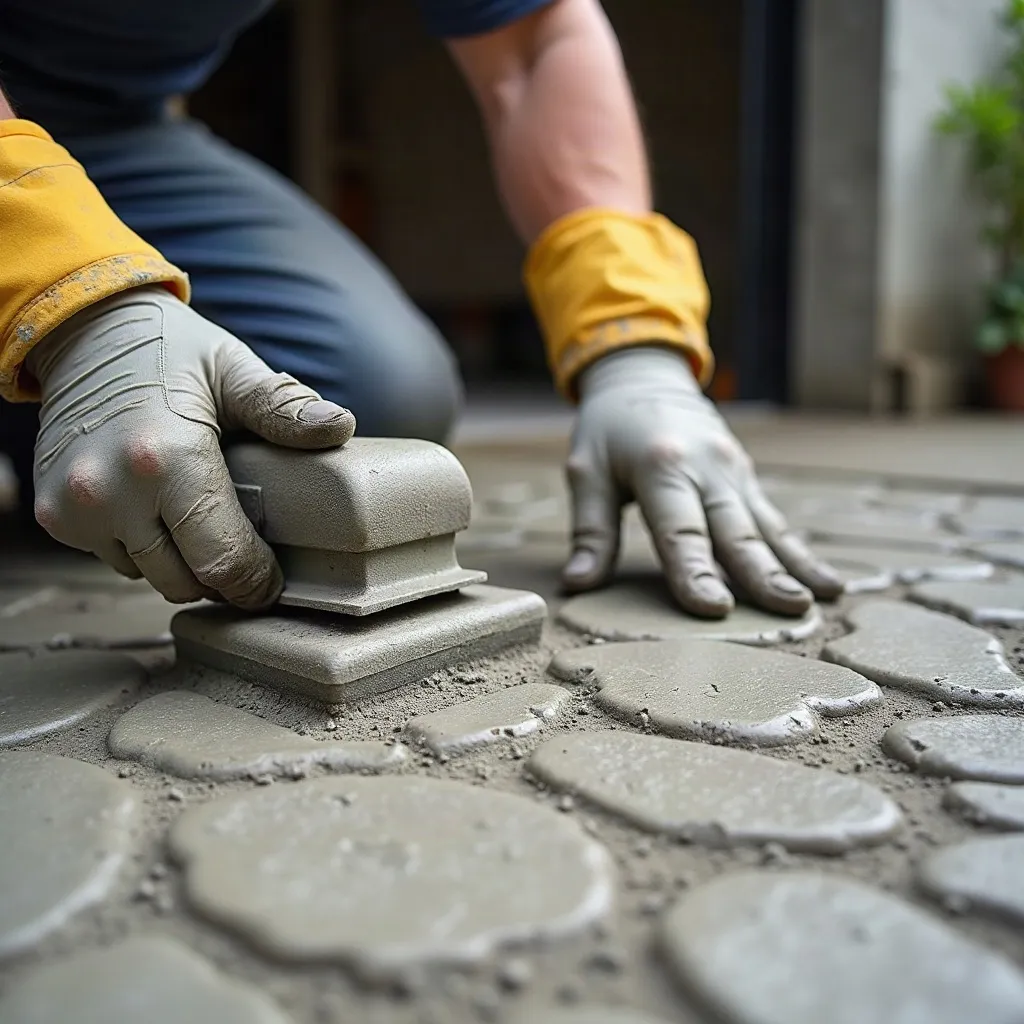
Why Choose Stamped Concrete for Your Outdoor Space
When evaluating enhancements for exterior areas, many homeowners discover that stamped concrete offers an compelling combination of aesthetics and functionality. This flexible option allows for a range of designs, mimicking natural materials such as stone, brick, or tile, while providing a long-lasting surface. Stamped concrete is resistant to weathering, making it ideal for various climates, and its minimal upkeep requirements appeal to busy homeowners.
Additionally, decorative concrete can increase property value, as it generates attractive pathways, patios, and pool decks that draw prospective buyers. Its ability to integrate smoothly with landscaping further elevates outdoor spaces. The installation process is also relatively quick compared to other materials, reducing disruption to the home environment. Homeowners appreciate that decorative concrete can be tailored to suit individual tastes, offering a unique touch to their outdoor aesthetics. Overall, stamped concrete stands out as a functional and stylish choice for enhancing outdoor living areas.
Which Instruments Do You Need for Stamped Concrete?
When using stamped concrete, having the proper tools is important for achieving high-quality finishes. Essential tools include concrete mixers, stamps, and finishing trowels, while safety gear such as gloves and masks guarantees protection during the process. Knowing these requirements can greatly boost both the efficiency and safety of the project.
Essential Imprinted Concrete Tools
A assortment of vital tools are essential for properly executing work with stamped concrete, ensuring precision and quality in the final product. Key tools encompass a concrete mixer for standardized material blending, trowels for smoothing and shaping, and stamp molds that create desired patterns. A concrete float aids in leveling the surface, while edging tools help define clean lines around the project. For texturing, custom stamps and rollers enhance the design, and a groover is vital for creating joints that control cracking. Finally, a curing compound sprayer guarantees proper hydration. Utilizing these tools effectively not only enhances the aesthetic appeal but also contributes to the strength of the stamped concrete installation.
Protective Gear Guidelines
Proper safety gear is fundamental for anyone working with stamped concrete to reduce risks and guarantee a safe working environment. Workers must begin with eye protection to defend their eyes from dust and debris. Robust gloves are essential for hand protection against sharp tools and rough surfaces. Steel-toed boots are suggested to guard against foot injuries from heavy materials. Also, wearing a helmet is vital to prevent head injuries from falling objects. The use of face masks or respirators is important when handling concrete dust or chemicals to prevent respiratory problems. Finally, knee pads help provide comfort and safeguard knees while kneeling in the stamping process. Observing these safety gear measures fosters a safer workspace for everyone involved.
How to Prepare Your Property for Stamped Concrete Installation
Setting up the location for stamped concrete installation is important for creating a long-lasting and visually pleasing surface. The initial step includes clearing the area of any debris, foliage, or existing concrete. This ensures a clean slate for the new placement. Next, the ground must be excavated to the correct depth, typically 4 to 6 inches, depending on the project requirements. Proper slope is vital to enable adequate water dispersal, preventing future water accumulation or cracking.
When the plot is ready, a hard sub-base made of gravel or crushed stone should be laid down to strengthen stability. Installing forms to outline the desired shape is also vital, as they guide the concrete pour and maintain the structure. Finally, the site should be compacted to eliminate air pockets, ensuring a solid foundation. Following these steps will considerably contribute to the longevity and aesthetics of the stamped concrete surface.
Top Stamped Cement Designs and Surfaces for Your Patio Area
Stamped concrete offers an variety of stunning designs and finishes that can convert any exterior area into a aesthetically appealing area. Common choices include designs that replicate natural materials, such as slate, brick, and flagstone, enabling homeowners to achieve a sophisticated appearance without the associated learn the details costs.
Color selections span from warm neutrals to vivid tones, enabling customization to match existing landscaping or architectural styles. Rough coatings can provide depth and personality, improving the overall aesthetic of patios, walkways, and driveways.
For a current touch, linear designs and bold colors are becoming more popular, while traditional designs serve as perpetual options. Furthermore, ornate edging can define spaces and create style and character. Each decorative decision not only elevates the visual quality of external spaces but also adds value to the property, making stamped concrete a adaptable and compelling option for homeowners looking to enhance their exterior social areas.
Conventional Cleaning Procedures
Keeping stamped concrete surfaces clean calls for a considered approach to maintain their longevity and aesthetic charm. Routine maintenance includes sweeping or blowing away dirt and debris. Deeper cleaning can be done with a mixture of mild detergent and water applied via a soft-bristle brush. Avoid harsh chemicals as they might cause damage. Thorough rinsing is necessary to prevent residue buildup. Additionally, prompt stain treatment is important; a diluted vinegar solution can successfully remove organic stains. For grease or oil stains, using a specialized cleaner may be essential. Ultimately, regularly applying these techniques will help preserve the beauty of stamped concrete and extend its lifespan. Consistent care ensures the surface remains inviting and appealing.
Sealing for Lasting Performance
Routine upkeep establishes the basis for the longevity of stamped concrete, but sealing plays a critical role in protecting and improving its look. Coating creates a barrier against water damage, marks, and UV damage, which can lead to fading and decay over time. Experts suggest applying a high-quality acrylic or polyurethane sealer to ensure peak defense. Application should happen every one to three years, depending on environmental conditions and usage. Furthermore, thorough surface preparation is essential; any dirt or moisture can prevent bonding. When applying the sealant, a consistent, even coat should be used to avoid accumulation or streaking. In summary, frequent coating not only maintains the vibrant colors of stamped concrete but also extends its durability significantly.
Mending Exterior Damage
Addressing structural wear promptly secures the longevity of stamped concrete. Regular inspections can help identify difficulties such as cracks, chips, or discoloration. When damage occurs, swift restoration is necessary. For slight fractures, a concrete repair paste can proficiently fill in gaps, confirming a smooth surface. Once the repair is complete, applying a fresh coat of sealant not only enhances appearance but also protects the repaired area from future damage.
Moreover, avoiding strong chemical solutions during cleaning can avoid further wear and tear. Routine maintenance, featuring resealing every few years, will strengthen the durability of the surface. By prioritizing these maintenance approaches, property owners can maintain the visual charm and structural stability of their stamped concrete, making certain it remains a striking feature of their outdoor spaces.
Perks of Leasing Stamped Concrete Equipment
Why should contractors consider procuring stamped concrete equipment? Renting offers several positives, chiefly for those looking to enhance outdoor spaces without the long-term undertaking of ownership. First, it allows firms to tap into high-quality, specialized tools that may not be budget-friendly to purchase outright. This prospect guarantees that projects can be completed with professional-grade results.
Additionally, leasing equipment reduces storage issues and upkeep duties, enabling contractors to focus on project execution. It also offers flexibility; contractors can choose the right equipment for each particular project, adjusting for varying project needs and scales.
Moreover, renting can lead to financial benefits, particularly for short-term projects, as it eliminates the need for significant upfront investments. Overall, utilizing rental services for stamped concrete equipment enables contractors to maximize their efficiency while delivering stunning results efficiently.
Budgeting for Your Stamped Concrete Undertaking
Creating a financial plan for a stamped concrete assignment calls for careful consideration of numerous considerations to guarantee successful execution. First, the expenditure of goods is indispensable, encompassing concrete, stamps, and color additives. These elements can greatly influence the overall budget. Additionally, service fees must be taken into account, chiefly if hiring professionals for application. Renting equipment may also be necessary, which can vary in price depending on the tools needed and lease term.
An extra crucial aspect is ground preparation, encompassing grading and proper drainage, which can generate extra expenses. Property owners should also set aside money for sealing and upkeep to prolong the durability of the stamped surface. Ultimately, it's wise to incorporate a emergency fund for unforeseen costs that may arise during the undertaking. By assessing these components, individuals can create a comprehensive budget that matches their vision for a stunning outdoor space.
Regularly Asked Questions
How extended Does decorative concrete endure stacked up to Other surfaces?
Stamped concrete regularly maintains its condition for 25 to 30 years, performing better than materials like asphalt, which may last 15 years, and pavers, which can endure 20 years. Attentive upkeep considerably lengthens the longevity of stamped concrete installations.
Can patterned concrete be installed in winter conditions?
Stamped concrete can be placed in winter weather, but extra care are necessary. Cold weather conditions may impact curing, so using additives and protective coverings is recommended to ensure proper adhesion and durability in colder climates.
What Hue and Finish Choices Can Be Found for Stamped Concrete?
Stamped concrete offers multiple hues and designs, covering earth tones, vibrant hues, and intricate patterns that echo stone, brick, or tile. Customization choices enable the production of distinctive designs adapted to individual aesthetic preferences and desires.
Can Stamped Concrete Get Slick When Wet?
Stamped cement may become slippery when wet, especially if it features a even finish. Nonetheless, patterned surfaces or additional treatments can boost traction, minimizing the risk of slipping in wet conditions and still preserving aesthetic appeal.
What's the Most Effective Way to Fix Cracks in Stamped Concrete?
To fix cracks or damages in stamped concrete, thoroughly clean the area, apply a concrete patching compound, even it out, and think about re-sealing the surface for protection. Routine upkeep can avoid future problems.
Report this page